
Level 2 vs Level 3 Security License in Texas: Which Do You Need?
A plain-spoken breakdown of the unarmed and armed security officer licenses in Texas, so you can pick the right one before you spend a dollar on training.
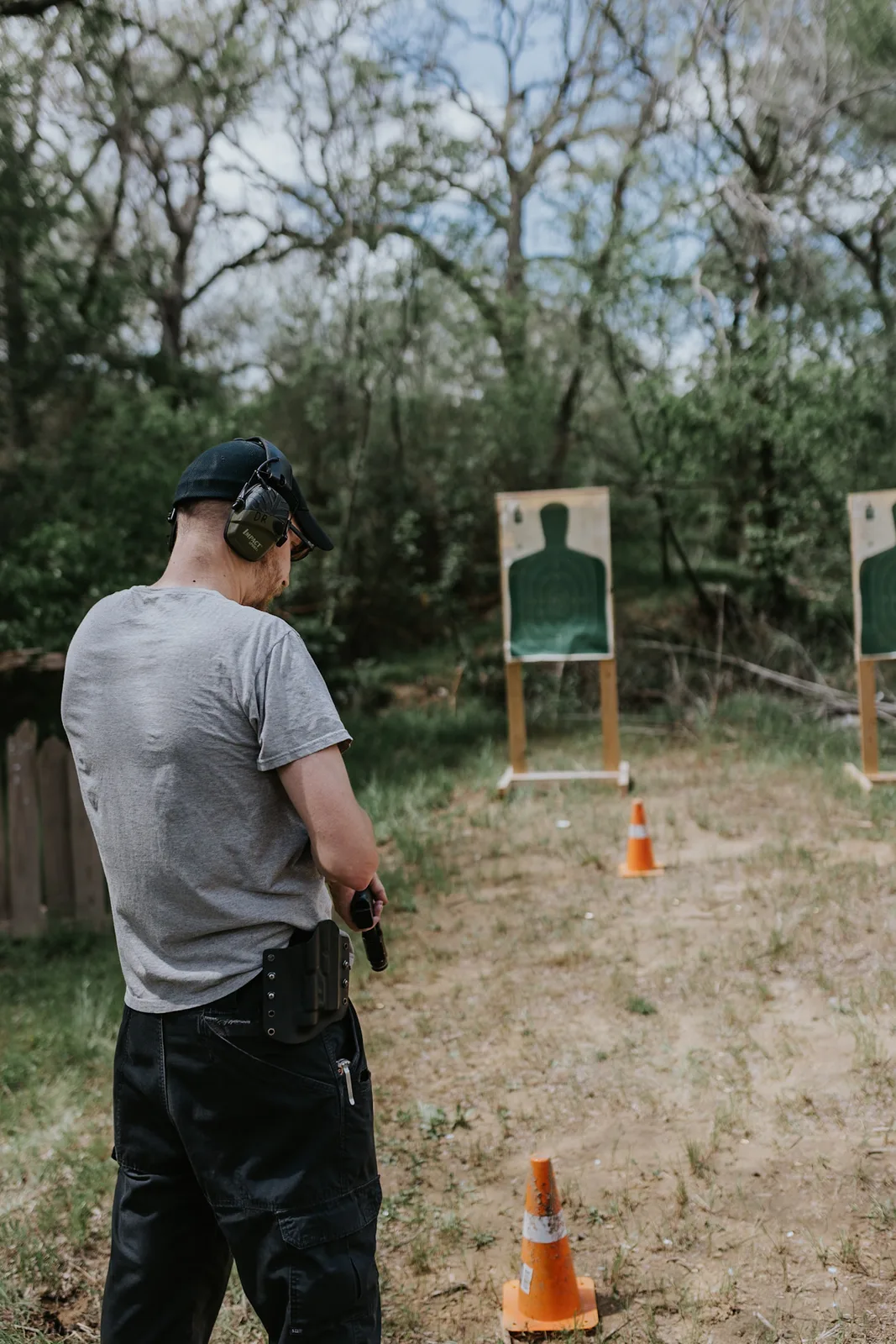
If you want to work security in Texas, one of the first choices you'll face is Level 2 versus Level 3. It sounds like a small numbering difference, but it's actually the difference between working unarmed and carrying a firearm on the job. Getting this right up front saves you time, money, and the frustration of taking the wrong course. Here's the honest breakdown so you can decide which one fits the work you actually want to do.
Both of these licenses fall under the same state system. Private security in Texas is regulated by the Texas Department of Public Safety (DPS) through its Private Security Bureau (PSB). If you're new to the whole process, start with our pillar guide on how to get a Texas security license, then come back here to compare the two levels.
The core difference: unarmed vs. armed
This is the whole ballgame, so let's keep it simple.
Level 2 is the non-commissioned, or unarmed, security officer course. It's the basic training required to work as an unarmed guard. If you'll be standing a post, monitoring cameras, checking IDs, patrolling a property, or providing a visible presence without a weapon, this is your license.
Level 3 is the commissioned, or armed, security officer course. It's required if you want to carry a firearm while on duty as a commissioned officer. Level 3 builds on the same security fundamentals but adds firearms training and qualification, which is why it takes considerably longer.
Think of it this way: Level 2 gets you working. Level 3 lets you work armed.
What each license lets you do
An unarmed (Level 2) officer handles the bulk of everyday security work in Texas. That includes retail and mall security, event and venue staff, front-desk and lobby posts, apartment and residential patrol, construction site watch, and general property protection. There's steady demand for these roles, and it's the most common entry point into the field.
An armed (Level 3) officer can do all of that, plus posts that specifically require a firearm. That often means bank and financial-site security, cash-in-transit, certain industrial and government contracts, hospital and healthcare security in some settings, and any assignment where the client or contract calls for an armed presence. Because the responsibility and risk are higher, armed positions generally pay more than unarmed ones, though actual pay depends on the employer, location, and contract.
There's also a Level 4 course, the Personal Protection Officer (bodyguard) license, for close-protection work. It requires Level 3 first, so it's a step you take later rather than an alternative to these two. You can read about Level 4 when you're ready for that path.
Hours and what's taught
The two courses are very different in length.
The Level 2 course is short, roughly six hours of instruction. It covers the fundamentals: the role and legal authority of a security officer, use-of-force basics, ethics and conduct, and the rules you have to follow under DPS regulation. It's designed to get you trained and eligible to work without a huge time commitment. See our Level 2 training page for details.
The Level 3 course is much longer, roughly 35 hours, because it includes firearms instruction and a live qualification. Alongside the security fundamentals, you'll cover firearm safety and handling, when the use of a firearm is and isn't justified, the legal weight of carrying on duty, and range time where you have to demonstrate you can shoot to standard. That qualification is a real bar you have to clear, not a formality. Our Level 3 training page walks through what to expect.
Requirements to qualify
For unarmed (Level 2) work, the requirements are relatively light, but you still register through DPS and complete the training.
For armed (Level 3) work, the bar is higher. In general, you'll need to meet DPS age and background requirements, pass a background check, and complete the firearms qualification. Because eligibility rules can change and details matter here, confirm the current requirements directly with the DPS Private Security Bureau before you enroll. We don't want you paying for a course you're not yet eligible to use.
The cost angle
Level 3 costs more than Level 2 to train for, mostly because it's a longer course with a firearms and range component. On top of tuition, there are state fees tied to your registration and licensing. We won't quote dollar amounts here because DPS fees are set by the state and subject to change. Check the DPS Private Security Bureau for current amounts so you're working from accurate numbers.
The trade-off is worth weighing: Level 3 is a bigger upfront investment of time and money, but it opens up higher-paying armed posts. Level 2 is faster and cheaper to get started.
How to decide which you need
Ask yourself two questions.
First: does the job you want require a firearm? If you're aiming at armed posts, or your target employer only hires commissioned officers, go Level 3. If you're happy with unarmed work, or you just want to get into the field quickly, Level 2 is enough.
Second: are you ready, and eligible, to carry? If you meet the DPS requirements and you're comfortable with firearms responsibility, Level 3 is a strong move. If not, start with Level 2, get working, and step up to Level 3 later. Many officers do exactly that.
Bottom line
Level 2 is unarmed and fast; Level 3 is armed, longer, and opens more doors. Neither is "better," they just fit different goals. If you're unsure, Level 2 is a low-risk way to start earning while you decide whether armed work is for you.
FAQ
Do I need Level 2 before Level 3?
Not as a strict stepping stone the way Level 4 requires Level 3, but many people start with unarmed work and move up. Confirm the current course path with DPS or ask us and we'll point you the right way.
Can a Level 2 officer carry a firearm?
No. Carrying a firearm on duty requires the Level 3 commissioned license.
How long does each course take?
Level 2 is about six hours; Level 3 is about 35 hours because of the firearms training and qualification.
What do the state fees cost?
DPS sets those fees and they change, so check the DPS Private Security Bureau for current amounts.
TPSTA is a nonprofit training academy in Bastrop, Texas, serving Central Texas and rural communities, and we offer Level 2, Level 3, and Level 4 security training. If you're ready to start, look at Level 2 training or browse all programs to find the right fit.