
TCFP Certification Explained: What Texas Firefighters Need to Know
A plain-English guide to Texas Commission on Fire Protection certification, how it differs from SFFMA, and the path to getting certified.
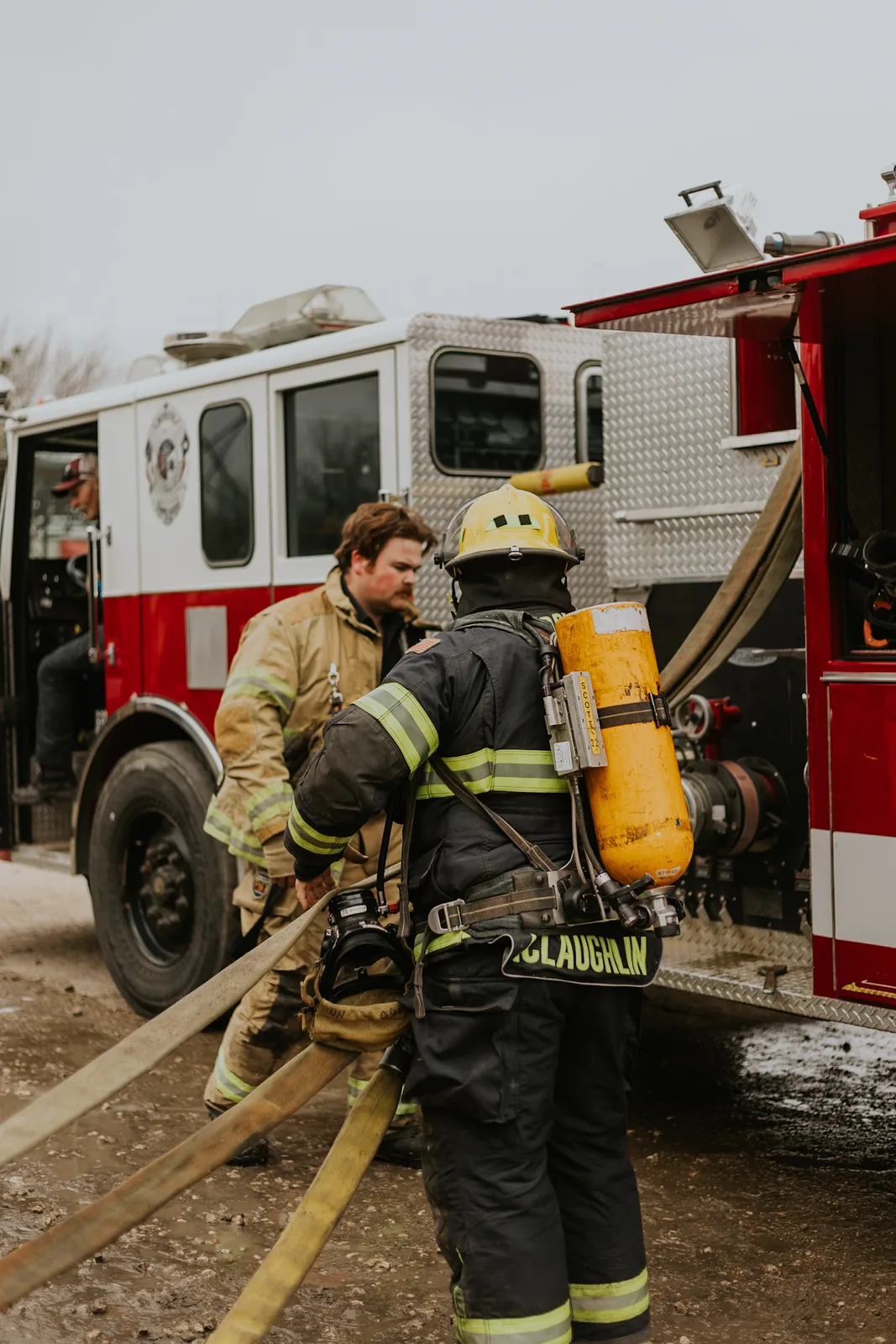
If you are trying to become a firefighter in Texas, you have probably run into two sets of letters that seem to mean the same thing but do not: TCFP and SFFMA. Which one do you need? Do you need both? The answer depends on where you want to work, and getting it wrong can cost you time and money. This guide breaks down what TCFP certification is, how it compares to SFFMA, and the general path to earning it. For the full journey from zero to hired, start with our pillar guide on how to become a firefighter in Texas.
What TCFP Is and What It Does
TCFP stands for the Texas Commission on Fire Protection. It is the state regulatory agency responsible for setting training standards and certifying fire protection personnel across Texas. Think of TCFP as the state authority that decides what a firefighter must know and be able to do before that person can be certified.
TCFP certification is most commonly associated with career and municipal fire departments, meaning paid, full-time firefighting jobs. Many paid departments in Texas require their firefighters to hold or obtain a TCFP certification, because it is the recognized state credential for regulated fire protection work.
TCFP does more than test individuals. It approves training programs, sets the standards those programs must meet, and administers the state certification process. The exact hour requirements and exam details for each discipline are set by TCFP and can change, so always verify the current standards directly with the Commission before you enroll anywhere.
TCFP vs SFFMA: The Confusion, Cleared Up
Here is the part that trips up almost everyone. SFFMA stands for the State Firemen's and Fire Marshals' Association of Texas. It is a separate certifying body, not the state agency. SFFMA certifications are widely used by volunteer firefighters across Texas.
So the short version is this: TCFP is the state government commission, and its certification is the standard many paid and municipal departments expect. SFFMA is an association whose certifications are commonly accepted by volunteer departments. They are not the same organization, and one does not automatically grant the other.
| TCFP | SFFMA | |
|---|---|---|
| What it is | State regulatory commission | Statewide firefighters' association |
| Most common use | Career / paid / municipal departments | Volunteer departments |
| Role | Sets standards and certifies personnel | Offers its own certification track |
Some firefighters pursue both. A volunteer who wants to eventually move into a paid position may earn SFFMA certification first and then work toward TCFP certification to qualify for career openings. Neither path is wrong. What matters is matching the certification to the kind of department you want to serve.
Why It Matters for Your Career
The certification you hold can determine which doors open for you. If your goal is a full-time, paid position with a city fire department, TCFP certification is often a requirement or a strong expectation. If you plan to serve with a rural or volunteer department, SFFMA certification may be what your local department accepts.
Before you invest in any program, talk to the departments you actually want to join and ask what they require. Requirements vary between departments, and a quick conversation up front saves you from earning a credential that does not fit your goal.
The General Path to Getting TCFP-Certified
While specifics are set by TCFP and can change, the general path looks like this. First, complete an approved training program that covers the required curriculum for your discipline, such as structural firefighting. Second, pass the state certification process, which typically includes both a written exam and a hands-on skills evaluation. Once you meet the requirements, TCFP issues the certification.
We are describing the general concept here on purpose. The exact number of training hours, the fees, and the passing standards are all determined by TCFP and are updated periodically. Treat any hour count or fee you read online as something to confirm against TCFP's current published standards rather than a fixed rule.
IFSAC and Pro Board Seals: Why National Accreditation Helps
You will often see TCFP certifications carrying IFSAC or Pro Board accreditation seals. These are nationally recognized accreditation systems for fire service credentials. In plain terms, they signal that your certification meets a national standard, not just a Texas one.
Why does that matter? National accreditation can make your credential more portable and more widely respected if you ever move, apply out of state, or want your training recognized beyond your home department. It is one reason a state-backed certification path carries real weight for a career firefighter.
How TPSTA's Academy Fits In
Texas Public Safety Training Academy is a 501(c)(3) nonprofit training academy based in Bastrop, Texas, serving Central Texas and the rural and volunteer departments around it. Our Structural Firefighter Academy is built to prepare students for Texas firefighter certification, and we also offer Fire Officer training for those advancing their careers.
To be clear about what we do: our academy focuses on preparing you with the training, hands-on skills, and knowledge that a Texas firefighter needs. Always confirm the current certification requirements and process directly with TCFP, since the Commission is the state authority that sets and issues the certification itself.
Frequently Asked Questions
Is TCFP the same as SFFMA?
No. TCFP is the Texas state commission that regulates and certifies fire protection personnel, and it is most associated with paid departments. SFFMA is a separate association whose certifications are widely used by volunteer firefighters. They are different organizations.
Do I need TCFP certification to be a firefighter in Texas?
It depends on the department. Many paid and municipal departments require TCFP certification, while many volunteer departments accept SFFMA. Ask the departments you want to join what they require.
What do IFSAC and Pro Board seals mean?
They are national accreditation seals that show your certification meets a recognized national standard, which can make your credential more portable and respected beyond Texas.
How long does it take to get certified?
That depends on the discipline and the requirements TCFP has set, which can change. Check TCFP's current standards, and ask your training program how its schedule lines up.
Ready to Start?
If a career in the Texas fire service is your goal, the right training is where it begins. Learn more about our Structural Firefighter Academy and how we prepare students for the work ahead, or browse all programs to find the path that fits you.