
Public Safety Careers You Can Start in Under a Year (Rural Texas)
The fastest, most affordable first responder paths in rural Texas, ranked by time-to-start, with real timelines and costs.
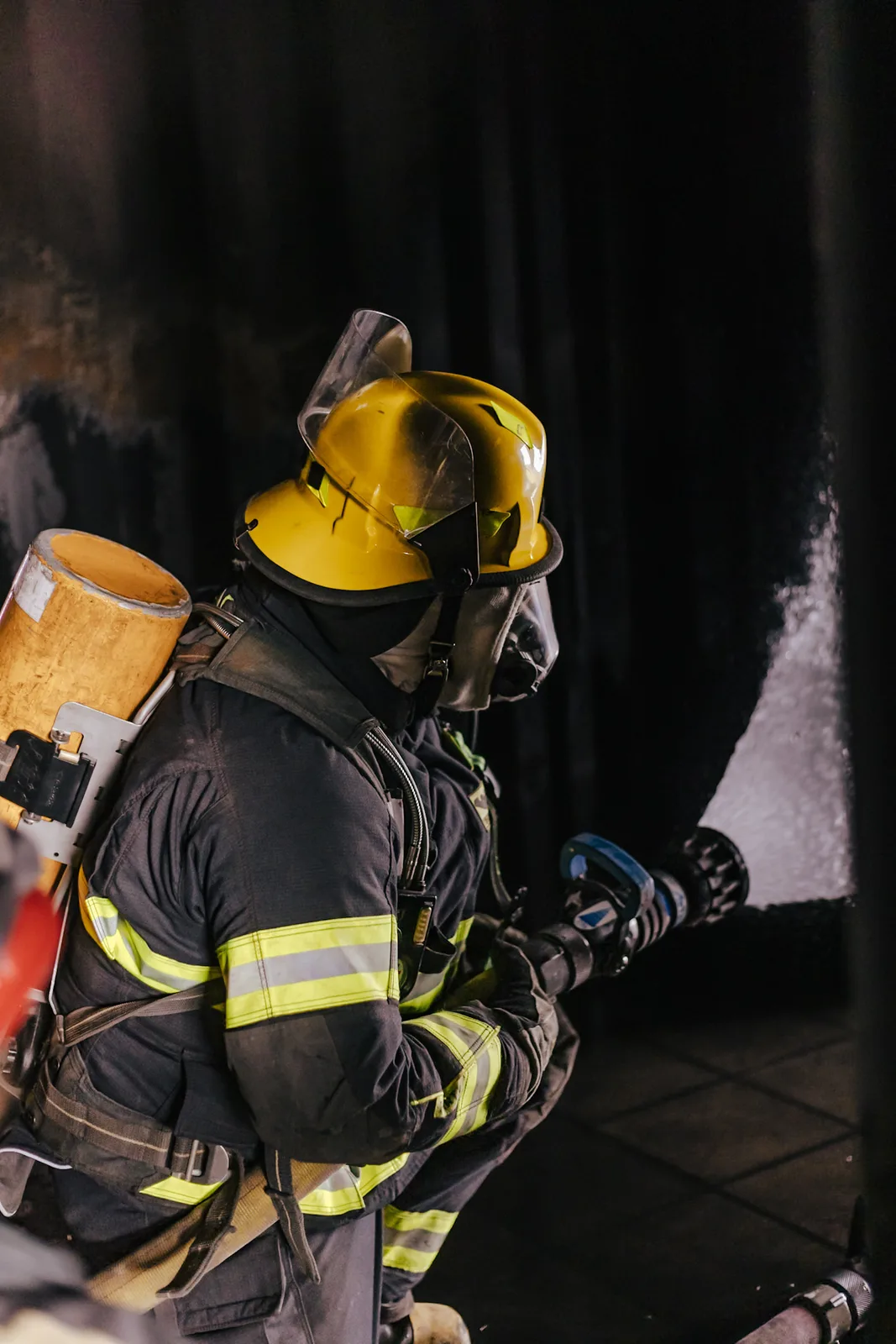
Here's the short version: you can start a real public safety career in Texas in under a year, often for a modest cost, and rural Texas needs you badly. You don't need a four-year degree. You don't need years of school. Several of the most in-demand first responder jobs in rural Texas start with a certification that takes weeks, not years.
If you want the fast map before we go deep, here are the main paths and roughly what each costs and takes:
- CPR/BLS (American Heart Association) - about a day, around $150. The entry step almost everyone starts with.
- Security Level 2 (Texas DPS Private Security) - a few days, around $50 for the course. The fastest license to earn.
- Wildland Firefighter S-130/S-190 (NWCG) - a short course, around $700. Lines you up for fire crews and seasonal work.
- EMT (DSHS/NREMT) - about 2 months, around $1,750. The backbone credential for county EMS.
- Structural Firefighter (TCFP) - a full academy, around $3,000. The path to a career firefighter job.
Every one of these leads somewhere real. Let's walk through how.
Why rural Texas needs first responders right now
Drive an hour outside any Texas city and the coverage map thins out fast. A lot of rural fire protection runs through Emergency Services Districts (ESDs) and volunteer departments that are chronically short on people. County EMS agencies cover huge distances with small crews. And Texas keeps burning: wildfire seasons stretch longer, and the state leans hard on trained wildland crews when they hit.
This isn't a doom pitch. It's an opportunity. When a community is short on trained responders, the door is open for people who are willing to show up and get certified. In rural Texas, a new EMT or a new volunteer firefighter isn't one of a hundred applicants. Often they're the person a department has been waiting for.
That's the whole reason TPSTA exists, and it's why this guide matters more here than almost anywhere else in the country.
The fastest entry paths, ranked by time-to-start
If your goal is to get certified and useful as quickly as possible, here's the honest order.
1. CPR/BLS - about a day
CPR and Basic Life Support certification through the American Heart Association is the true entry step. It takes a day, costs around $150, and it's a prerequisite or a plus for nearly every other public safety role. If you're not sure where to start, start here. It's the cheapest way to prove to yourself and to an employer that you're serious.
2. Security Level 2 - a few days
A Level 2 security license through the Texas DPS Private Security Board is the quickest license you can actually put to work. The Level 2 course runs around $50 and gets you eligible for unarmed security officer jobs. From there you can stack up: Level 3 (around $350) covers commissioned/armed officers, and Level 4 (around $250) is personal protection. Security work is steady, it hires people with no prior experience, and it's a common first paycheck in the field.
3. Wildland Firefighter S-130/S-190 - a short course
The S-130/S-190 wildland fire courses follow the national NWCG standard and cost around $700. This is your ticket onto wildland fire crews and seasonal firefighting work, which matters a lot in a state that fights fire most of the year. It's also a strong resume line for anyone heading toward a structural fire career.
4. EMT - about two months
Emergency Medical Technician is the workhorse credential of county EMS. TPSTA's EMT program runs about two months and around $1,750, and it prepares you for the DSHS state certification and the NREMT national exam. An EMT can work on an ambulance, in an ER, on an event medical team, or as the medical half of a firefighter's skill set. If you want one certification that opens the most doors, this is it. We go deep on this in How to Become an EMT in Texas.
5. Structural Firefighter - a full academy
Becoming a career structural firefighter is the biggest lift on this list. TPSTA's Structural Firefighter program runs around $3,000 and prepares you for TCFP (Texas Commission on Fire Protection) certification. It's a real academy with real physical and classroom demands, but it's also the path to a full-time firefighting job with benefits and a pension. The full breakdown lives in How to Become a Firefighter in Texas.
How the credentials stack
Here's the part most people miss: these certifications aren't competing choices. They build on each other.
- CPR is the entry step for almost everything else. Get it first.
- EMT plus firefighter is the classic combo. Most fire departments want firefighters who can also run medical calls, and being certified in both makes you far more hireable. Many career firefighters start as EMTs.
- Wildland fire experience stacks under a structural fire career, and seasonal wildland work can pay your way while you train.
- Security levels stack on themselves (Level 2, then 3, then 4) as you take on more responsibility and better pay.
The smart move in rural Texas is to pick a starting credential you can afford now, get to work, and add the next one when you're ready. You don't have to buy the whole path up front.
What each path pays, honestly
We won't overpromise here, because pay depends on your county, your agency, and whether a role is paid or volunteer.
- Security is often the fastest to a paycheck but starts modest; armed (Level 3) and protection (Level 4) roles pay more.
- EMT wages vary by county EMS and service, and EMT is frequently a stepping stone toward paramedic, where pay climbs meaningfully.
- Career structural firefighter is typically the strongest long-term pay on this list, with benefits and retirement, which is why it takes the most training.
- Wildland fire is often seasonal and crew-based, good money in season, not year-round on its own.
The honest picture: none of these makes you rich overnight, but all of them are real careers with room to grow, and the people who stack credentials earn more over time.
Breaking in with no experience
You can absolutely start with zero background. Here's how most people do it in rural Texas:
- Get CPR/BLS certified. One day, done.
- Pick your first real credential based on time and budget: Security Level 2 if you want to work in weeks, EMT if you want the widest doors, wildland fire if you love the outdoors and the fireline.
- Volunteer while you train. This is the rural Texas secret.
The volunteer-to-career path
A huge share of Texas fire protection runs on volunteer and ESD departments. Volunteering isn't a consolation prize. It's a legitimate on-ramp: you get real experience, real training hours, real relationships with a department, and a genuine shot at the next paid position that opens. Plenty of career firefighters and paid EMS folks started as volunteers who showed up, got certified, and stuck around. If you're in a small town, your local volunteer department may be the single best career move available to you.
Where TPSTA fits
Texas Public Safety Training Academy is a 501(c)(3) nonprofit based in Bastrop, in Central Texas. We built our programs around the people the big-city schools overlook: rural Texans who want a real public safety career without a mountain of debt.
That means affordable tuition, credentials that count with the state (DSHS, NREMT, TCFP, DPS PSB, AHA), and a focus on getting you certified and working. We're not a giant campus. We're a training academy run by people who've seen rural first responder shortages up close and decided to do something about it.
If any of the paths above sound like you, that's the whole point.
Frequently asked questions
What's the fastest public safety career to start in Texas?
A Security Level 2 license is the quickest to earn (a few days, around $50) and can put you to work fast. CPR/BLS is even shorter but is an entry step rather than a full career on its own.
How much does it cost to get certified?
It ranges widely: about $150 for CPR/BLS, around $50 for Security Level 2, roughly $700 for wildland fire, about $1,750 for EMT, and around $3,000 for a structural firefighter academy. You can start affordably and add credentials over time.
Can I start with no experience?
Yes. Every path here is built for beginners. Most people start with CPR, add one certification, and often volunteer with a local department to gain experience while they train.
Which pays the most?
Career structural firefighting generally offers the strongest long-term pay and benefits, which is why it requires the most training. EMT is a common stepping stone toward paramedic, where pay rises significantly.
Do I need a degree?
No. None of these paths requires a college degree. They're certification-based, which is exactly why you can start in under a year.
How do I stack certifications like EMT and firefighter?
Get CPR first, then earn your EMT, then attend a structural firefighter academy. Departments love firefighters who can also run medical calls, so the EMT-plus-firefighter combo makes you far more hireable.
Find your start
Rural Texas needs first responders, and you can become one this year. Pick a path, get certified, and go to work.
Explore TPSTA's programs and find your start or apply now to get moving.
Related guides: How to Become an EMT in Texas - How to Become a Firefighter in Texas - How to Get a Texas Security License
Program pages: EMT - Structural Firefighter - Wildland Firefighter - Security Level 2